Voice for Wildlife
Notice the speaker's tone, evidence, and call to action.
Unit 5 Learning Studio
From human expansion and endangered animals to the shared future we can still choose.
Big Question
Edward O. Wilson's text begins with a quiet moment: a hand placed on the flank of Emi, a Sumatran rhino. The moment becomes a warning about habitat loss, poaching, consumer demand, and the fragile chance to act before extinction becomes final.
Input Before Output
Notice the speaker's tone, evidence, and call to action.
Collect phrases that personify nature and express warning.
Reading Path
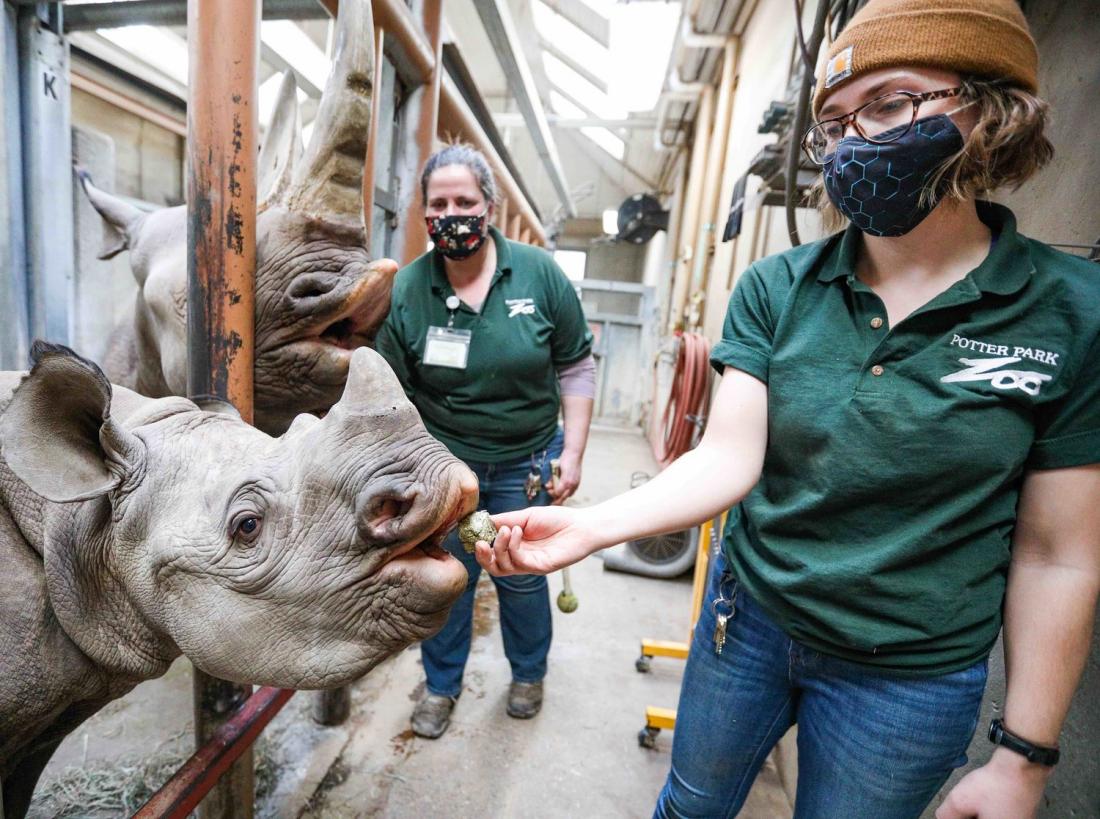
Emi is not a distant statistic. She is a living being, a "real-life unicorn," and a reminder that extinction has a face.
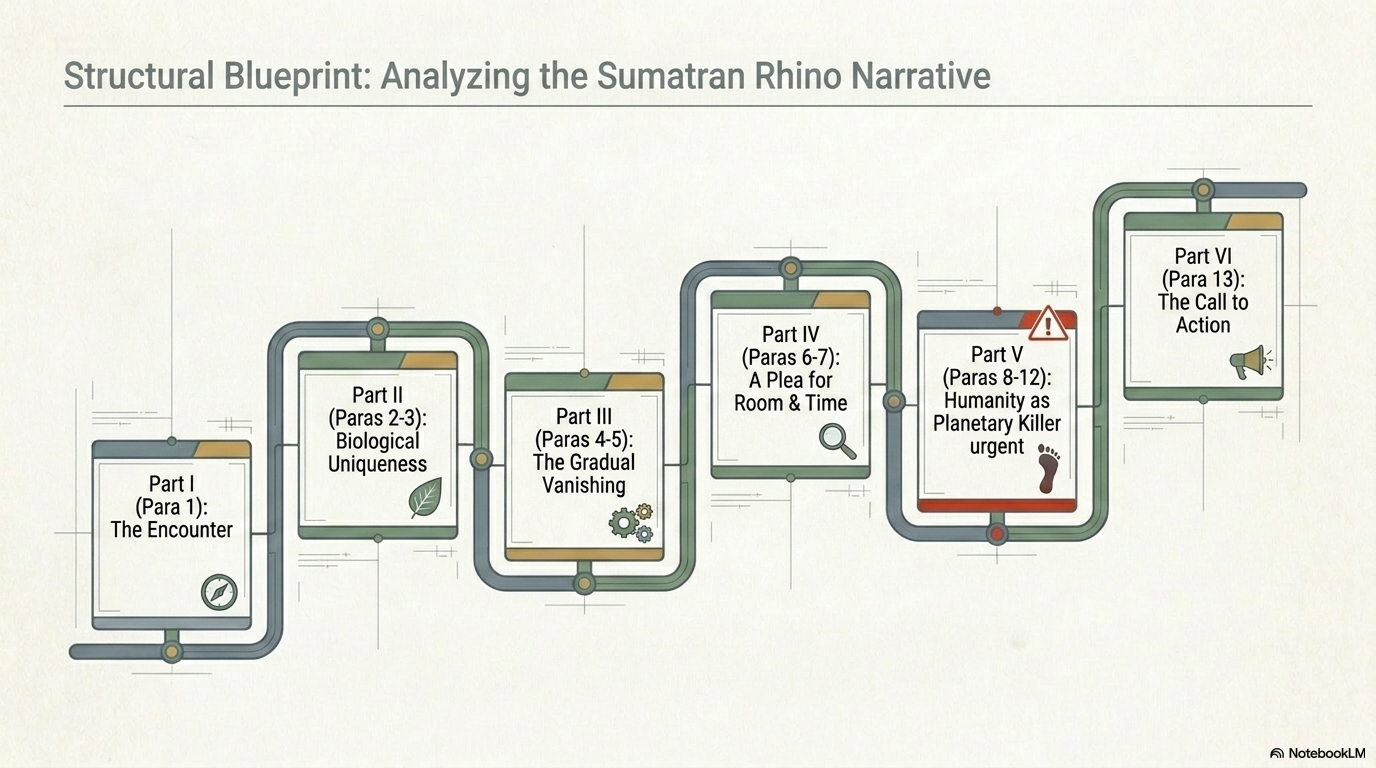
The rhino is not dying of old age. Human activity has denied rare species the room and time to grow and reproduce.
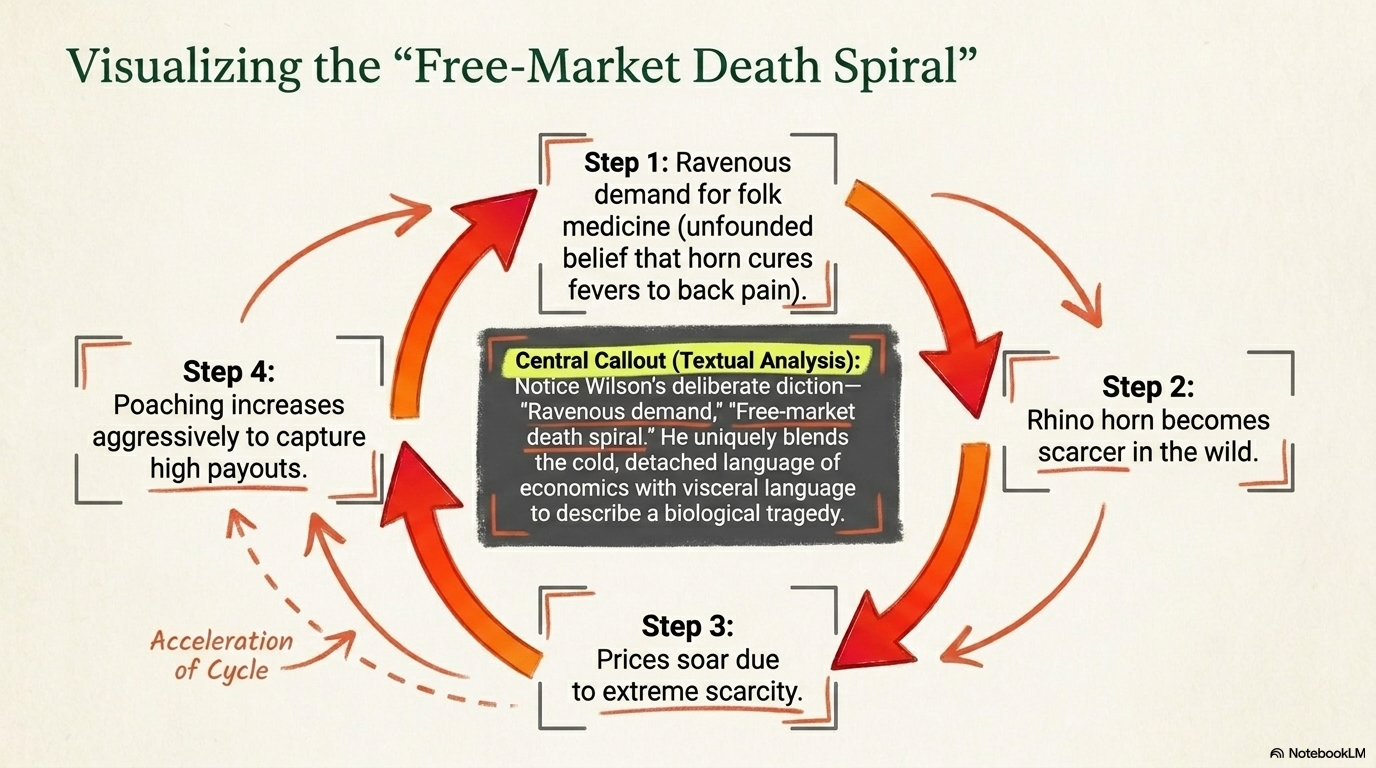
Demand for horn and luxury goods can create a death spiral: scarcity raises prices, and higher prices invite more killing.
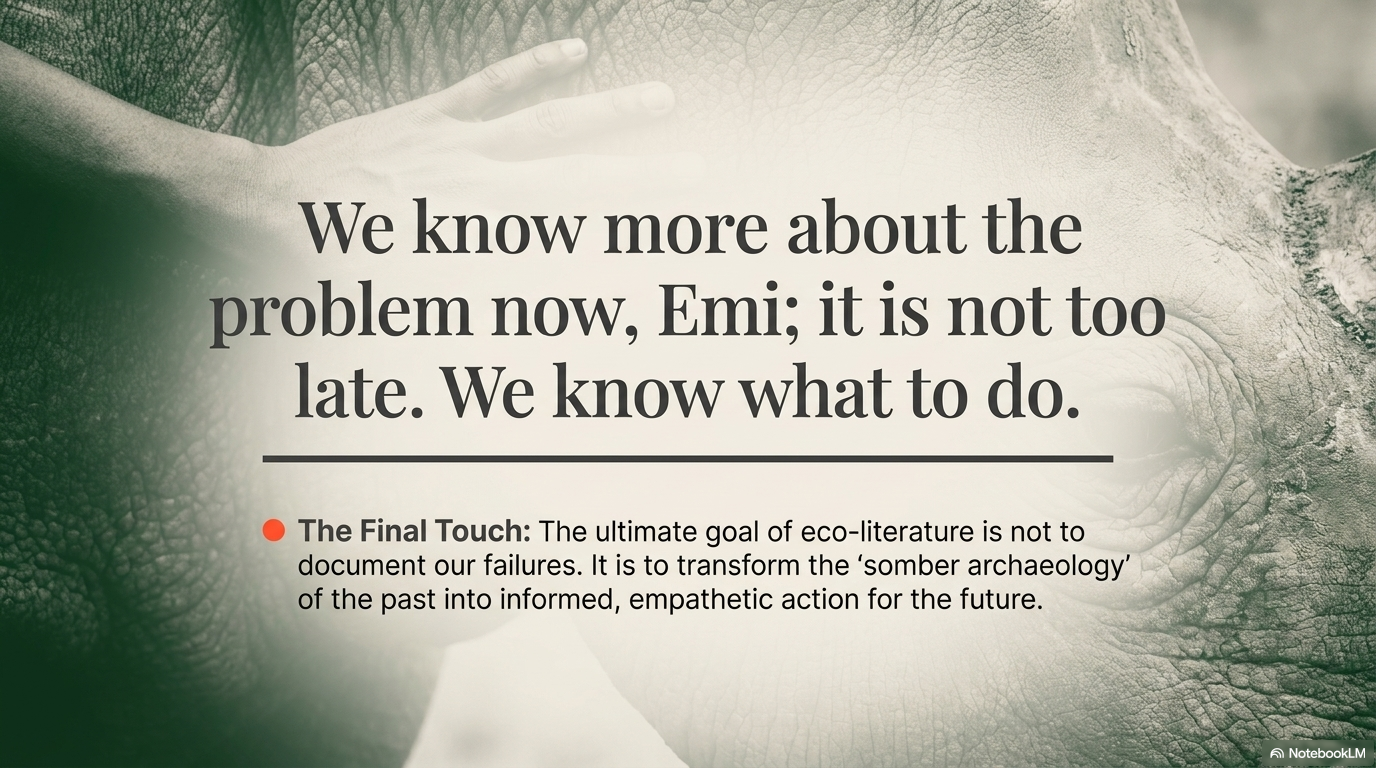
Wilson's ending is urgent but not hopeless: "We know what to do. Perhaps we will act in time."
Language Scaffolding
habitat loss, deforestation, poaching, illegal trade, pollution, climate change, overharvesting
population decline, fragmented habitats, loss of biodiversity, food-chain disruption, global extinction
restore habitats, curb demand, enforce laws, create reserves, support conservation, live sustainably
elusive, critically endangered, viable, decimation, unbridled, affliction, spiral, conservation ethic
Cause: The decline of ______ is mainly driven by ______ and ______.
Contrast: It is tempting to think ______; however, the evidence suggests ______.
Evidence: According to conservation data, ______ is classified as ______.
Consequence: If this trend continues, ______ may lose the room and time to reproduce.
Action: To protect ______, governments, communities and individuals should ______.
Ending: Protecting animals is not only about saving them; it is about reshaping our relationship with nature.
In your project, use conservation status carefully: name the source, avoid exaggeration, and explain what the category means.
Room to live. Time to recover. / Extinction is forever. Action is now. / Buy less harm. Build more habitats.
threaten, destroy, fragment, accelerate, curb, restore, protect, conserve, coexist
define the problem, trace the causes, challenge a false belief, propose realistic action
Critical Thinking
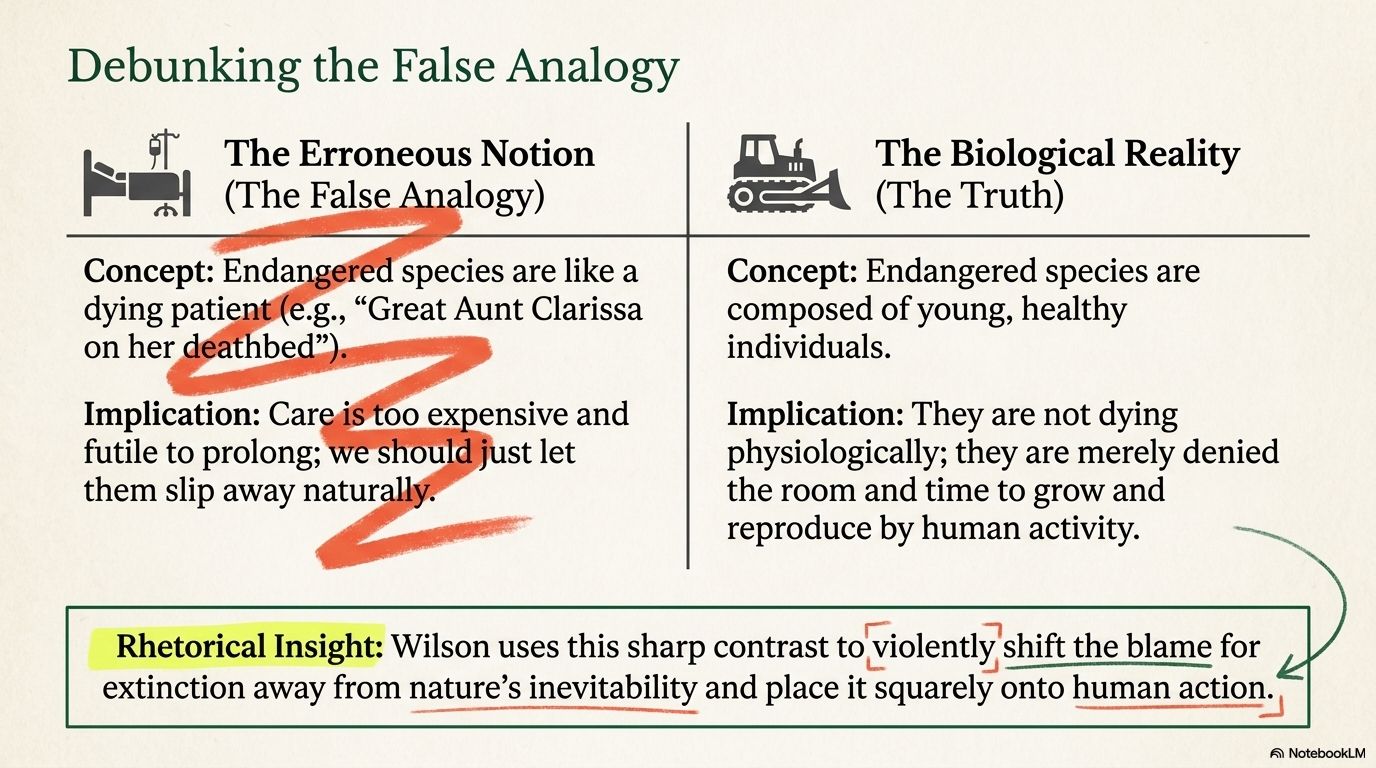
Endangered species are not like dying patients whose care is futile. Most are healthy individuals under human-made pressure.
Habitat loss, Invasive species, Pollution, Population growth, and Overharvesting help explain why biodiversity is declining.
A strong argument avoids simple blame. It connects consumer choices, business incentives, law enforcement, local communities, and global responsibility.
Choose a species and explain one human pressure and one realistic solution.
Project-Based Task
How to Protect Animals
One Image, One Message, One Action
Short, Memorable, Responsible
Give wildlife room to live.
Further Learning